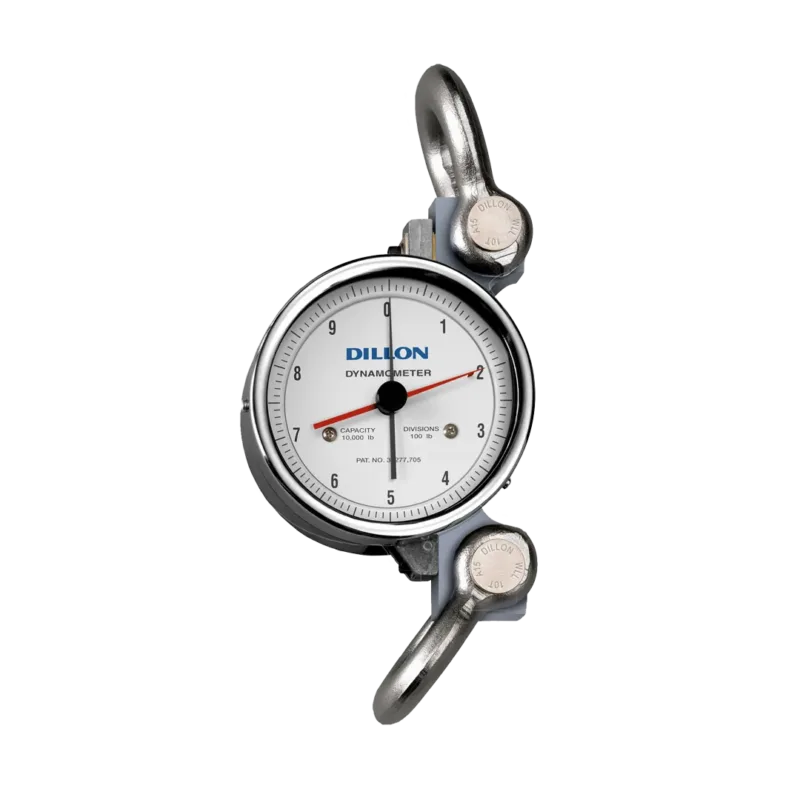
AP Dynamometer
The Dillon AP Mechanical Dynamometer exhibits limitless versatility as a tension and weight measuring instrument.

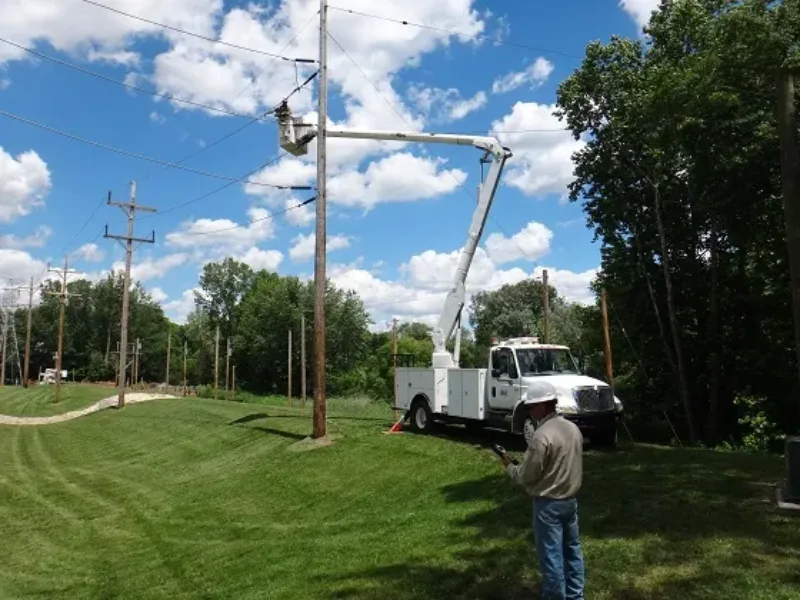
Accurate tension measurement is critical when erecting and maintaining overhead power lines. Over-tightened conductors can snap under stress or place dangerous loads on supporting poles, while insufficient tension reduces efficiency and service reliability. By monitoring and controlling line sag within safe limits, utilities can extend conductor service life, minimize fatigue and storm damage, and reduce costly maintenance. Dillon dynamometers provide the precision and reliability required to keep conductor tension within recommended safety margins, ensuring both system performance and long-term durability.
The Dillon AP Mechanical Dynamometer exhibits limitless versatility as a tension and weight measuring instrument.
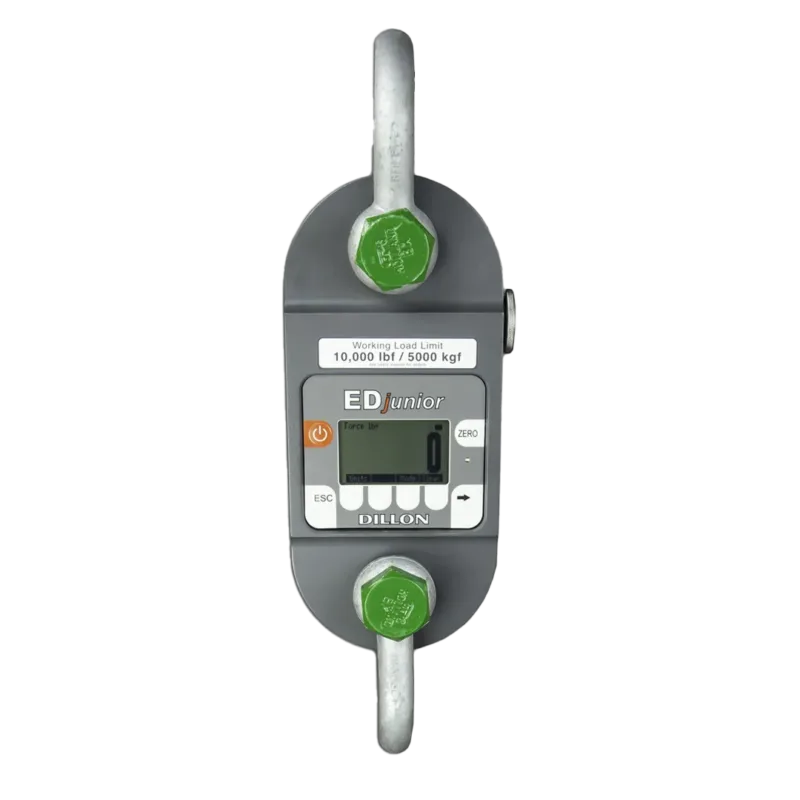
The EDjunior dynamometer gets straight to the point – apply a load; take a reading.
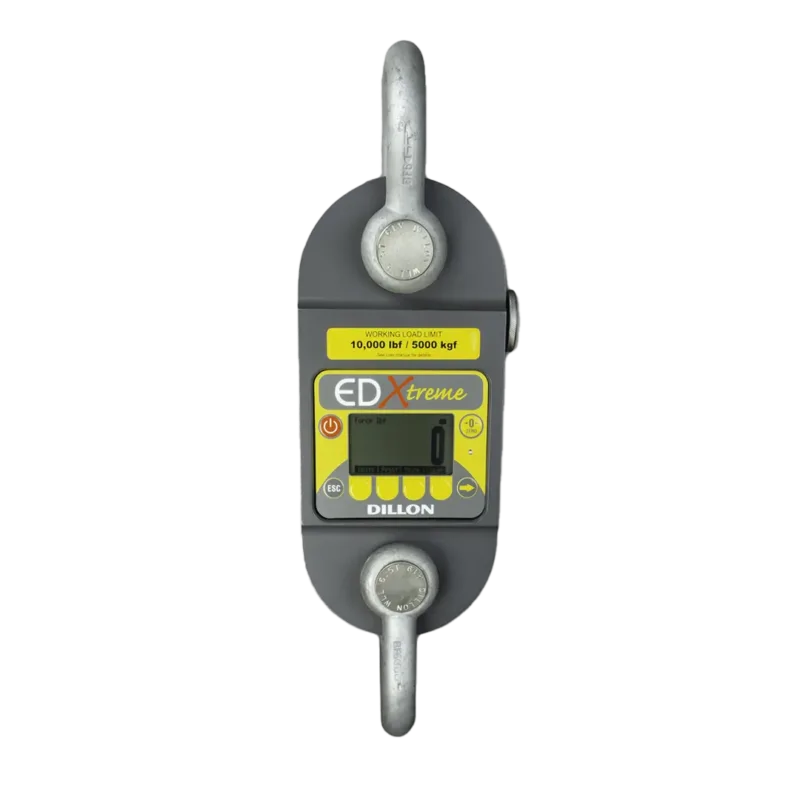
The EDXtreme exemplifies the trademark precision and rugged construction of Dillon.
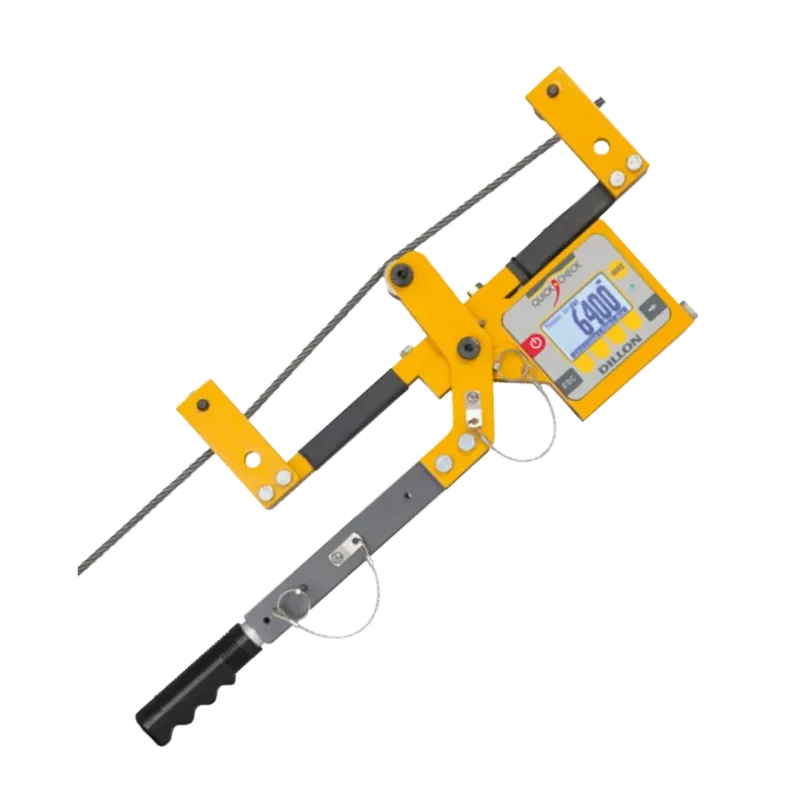
Place it on a cable.
Measure its tension.
Removed in under five seconds.
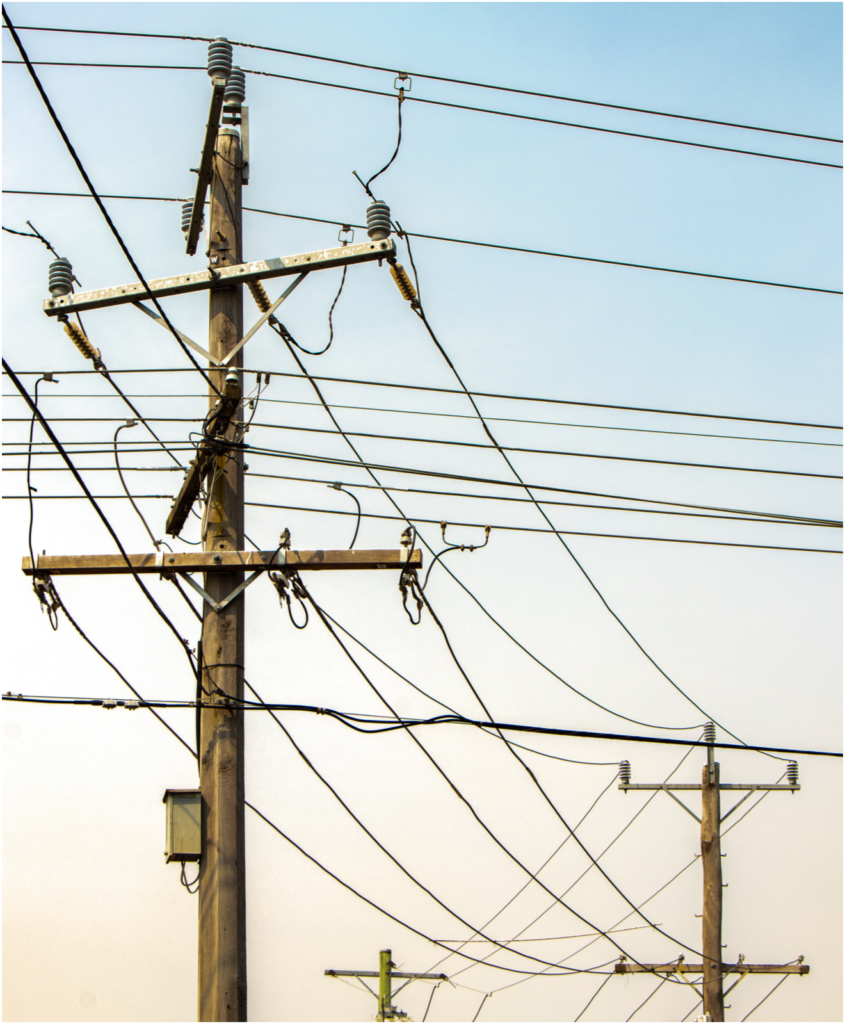
If the conductor wires are too stretched between supports in a bid to save conductor material, the stress in the conductor can reach unsafe value and in certain cases may break due to excessive tension. Over tensioning of the conductors also puts great strain on the supporting poles, which can result in their collapse in extreme weather conditions. In order to permit safe tension in the conductors, they are not fully stretched but are allowed to have a dip or sag. In an overhead line, the sag should be adjusted so that tension in the conductors is within the recommended safe limits. The tension is governed by the conductor weight, effects of wind and ice loading plus ambient temperature variations. It is a standard practice to keep conductor tension at less than 50% of its ultimate tensile strength i.e. minimum factor of safety in respect of conductor tension. Ensuring you have the conductor under the correct tension will increase service life and reduce overall maintenance costs by minimizing fatigue and storm damage.